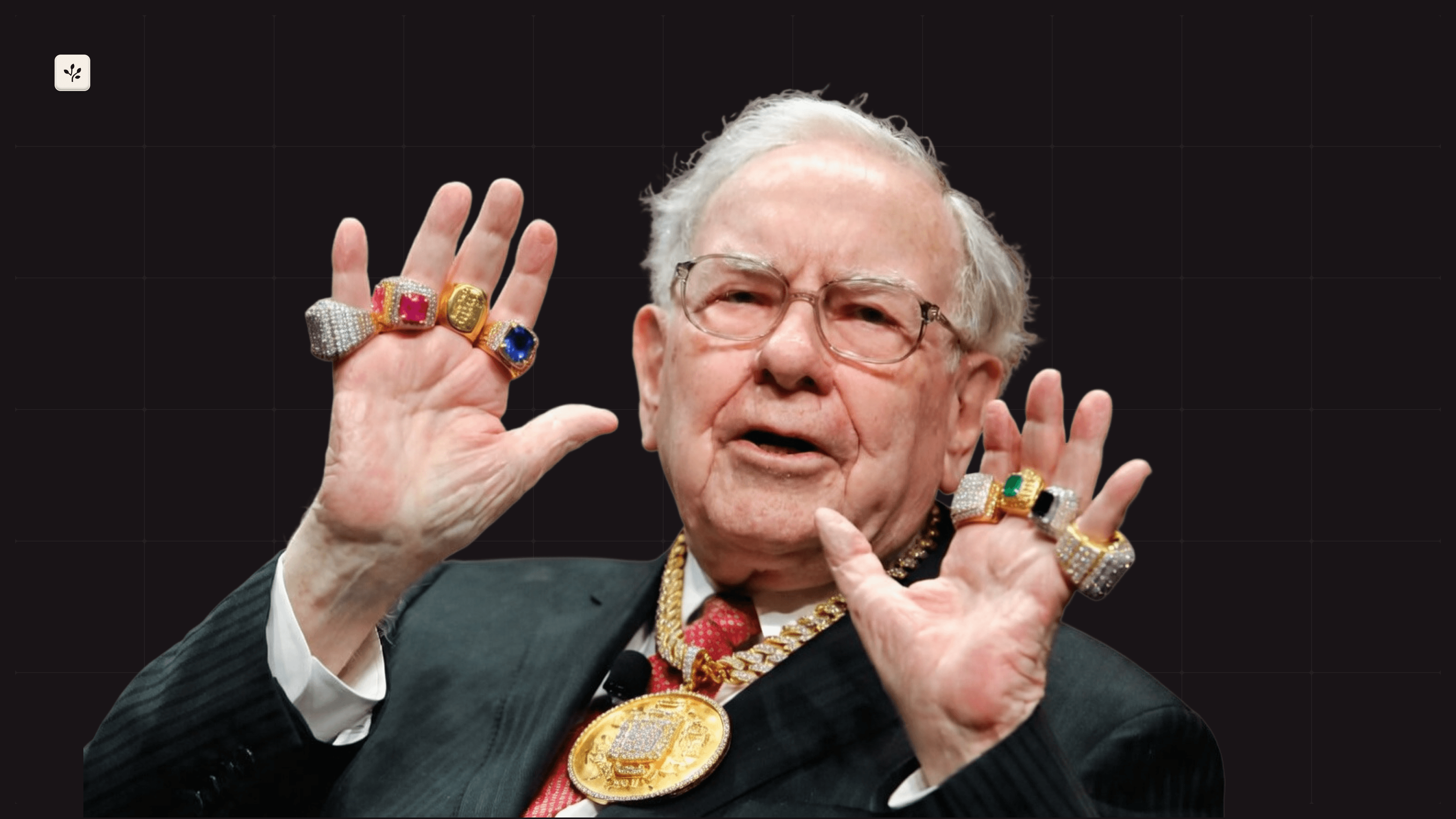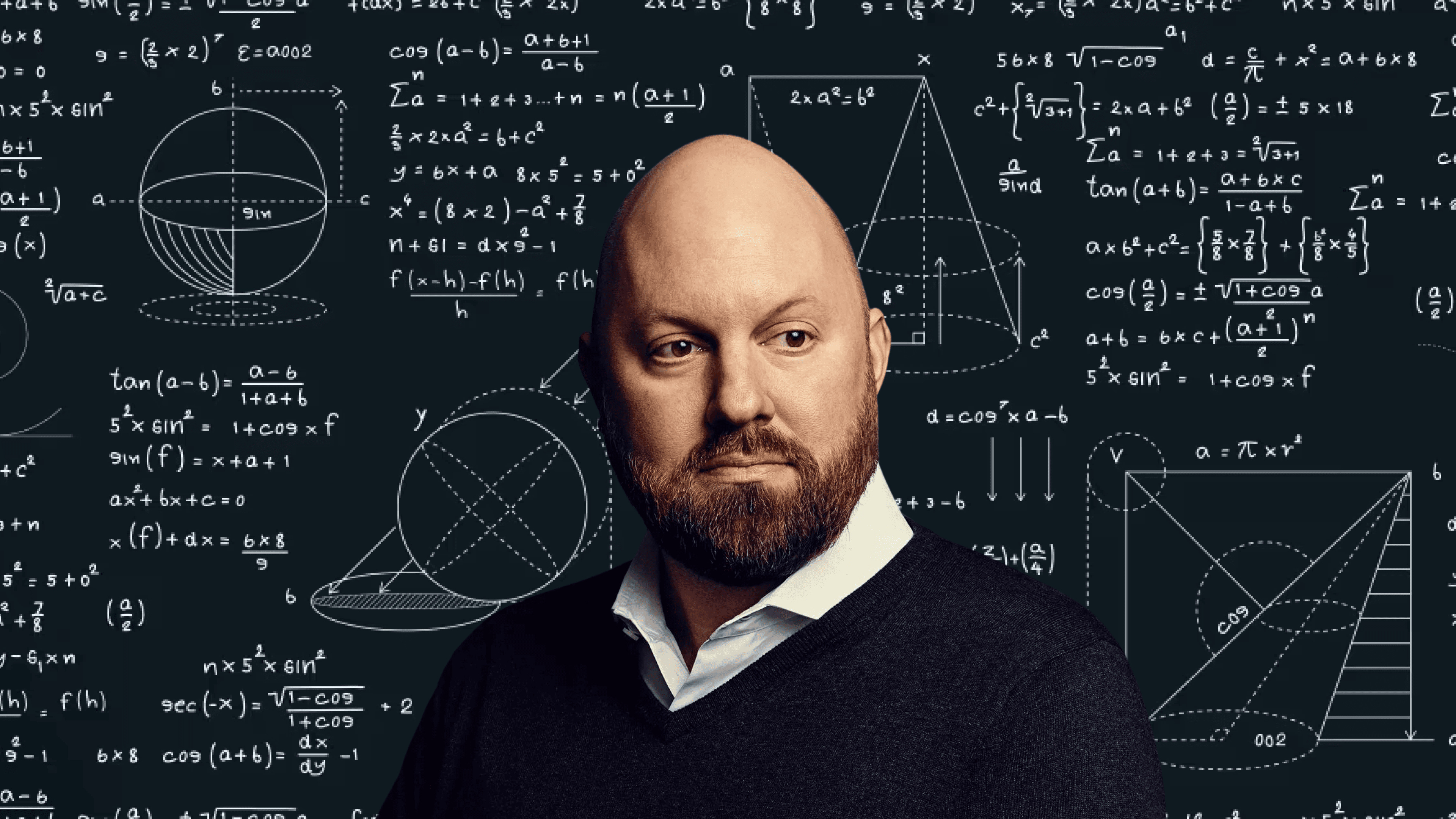

Marc Andreessen recently said that we shouldn’t have introspection. He was referencing this in both life and investing.
I get what he’s trying to say with investing: you shouldn’t use your past failures of investing as the basis for future decisions. Let’s say you invested in somebody that does what Airbnb does, and then you pass on Airbnb because the other one didn’t work out. That said, the logic breaks down because investments fail for different reasons.
The value of introspection in investing is identifying the actual root cause of failure.
The debate isn’t introspection versus none at all. It’s introspection versus rumination.
What Andreessen should have said is this: You should subconsciously have introspection.
I define subconscious introspection as being self-aware. And to think that somebody shouldn’t have introspection or be self-aware is insane.
Subconsciously use that awareness as a utility to improve. Because it operates in the background, like your AI agents, it prevents you from spending too much time and energy on minuscule things. It leaves much less emotional residue than deliberate reflection and avoids constraining memory and your progress through overanalysis.
In life, you want to stay in that state, but more subconsciously. You don’t want yourself constantly thinking about what you did wrong and worrying about it. If he had said, we shouldn’t ruminate, that would’ve been a much better statement.
You should always understand where you fell short, where you can improve, and use those learnings to continue advancing the next day.
Rumination is taking 5 steps back so as never to go forward. Subconscious introspection is taking one step back to go two steps forward.